Everyday Chemistry
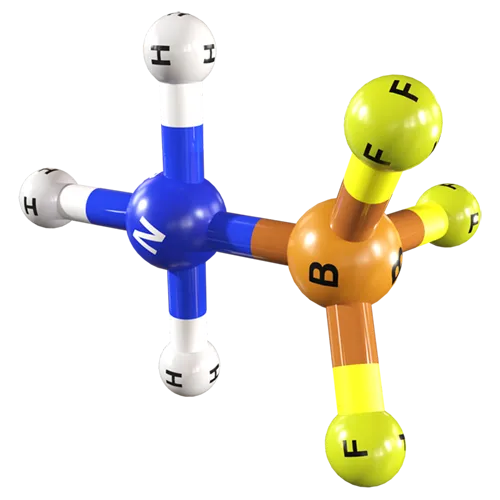
Atoms, bonds and reactions, explained through things you have at home: tea, hair gel, tap water, soap, plastic bags and food. Every lesson has a 3D model to turn around on screen or place on the table with AR.
- 40 lessons
- Lesson 1 free
- 3D
- AR
Open lesson 1 for free in the prostepmediaAR app.
All 40 lessons
Taught with 3D models and AR.
-
 Lesson 1Free
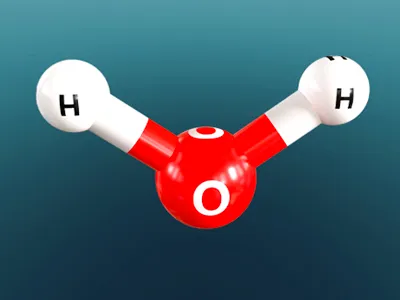
Amazing Chemistry
Main areas of chemistry, experiments of the first chemists, and the role of chemistry in everyday life.
-
 Lesson 2
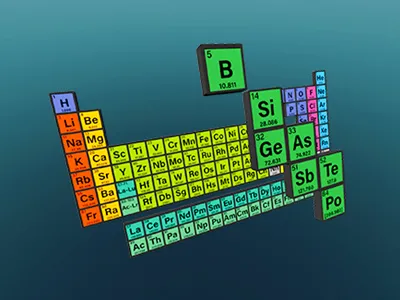
Let's Put Things in Order
Structure of the periodic table, periods, groups, chemical symbols, and principles of organising the elements.
-
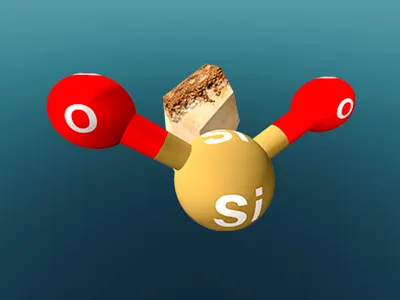 Lesson 3
Are They Simply Substances?
Characteristics of elements, compounds and mixtures, including covalent and ionic compounds.
-
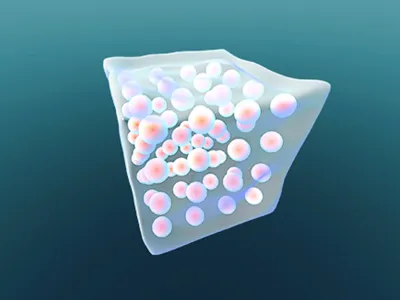 Lesson 4
Physical & Chemical
Physical and chemical properties, differences between physical and chemical changes, and combustion processes, i.e. oxidation.
-
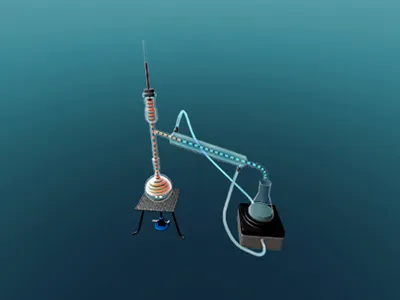 Lesson 5
Forming Mixtures & Compounds
Mixtures, homogeneous mixtures and solutions, and their separation by filtration, sedimentation, evaporation and distillation.
-
 Lesson 6
The Chemistry of Tea
Components of solutions, solubility, solution concentration, and crystallisation.
-
 Lesson 7
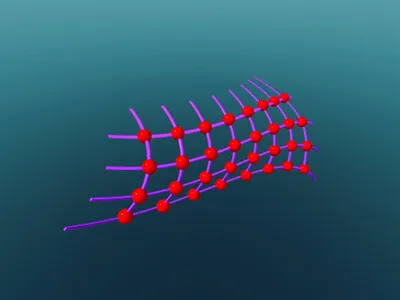
The Composition of Hair Gel
Characteristics and types of colloidal systems: foams, suspensions, emulsions, aerosols, gels and smog.
-
 Lesson 8
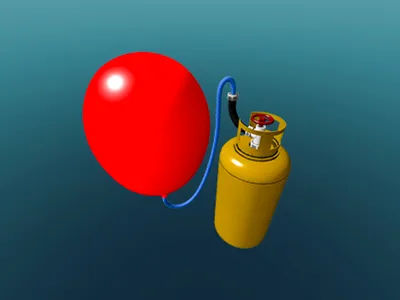
Freezes, Melts, Evaporates
States of matter and changes of state: melting, freezing, evaporation, condensation, boiling and sublimation.
-
 Lesson 9
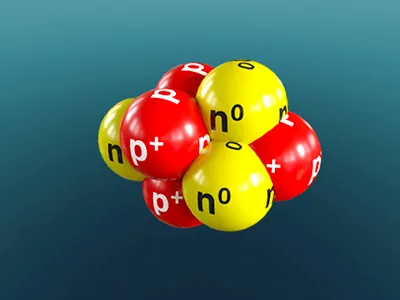
Inside The Atom
Development of atomic models, discovery of the nucleus, and structure of the nucleus and electron shell.
-
 Lesson 10
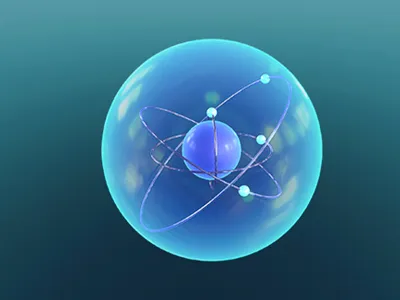
Speeding Particles
Structure of the electron shell, shell capacities, energy minimum principle, and energy emission by electrons.
-
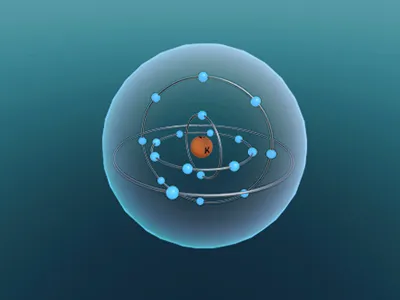 Lesson 11
It's Good When Negative
Atomic orbitals, principal and azimuthal quantum numbers, subshells, magnetic quantum number, spin quantum number, Pauli’s exclusion principle and Hund’s rule.
-
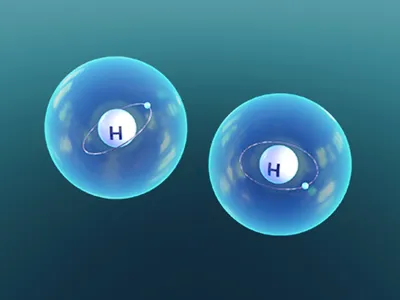 Lesson 12
The Law of Attraction
Electronegativity, noble gas structure, reactivity, formation of covalent and ionic bonds, and the rule determining bond type.
-
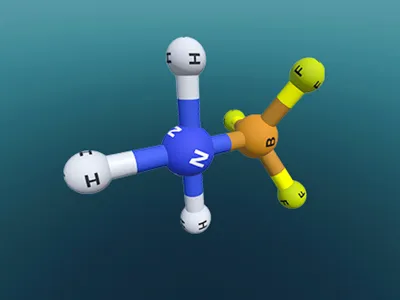 Lesson 13
Good Things Come in Pairs
Valence electrons, bonding electron pairs, free atoms in nature, types of bonding, and formulae used to represent molecules.
-
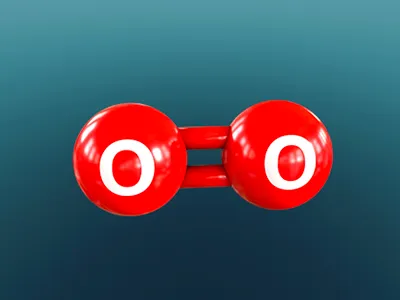 Lesson 14
The Strongest Bonding
Characteristics of covalent bonds, single and multiple covalent bonds, polar and non-polar covalent bonds, and dipole molecules.
-
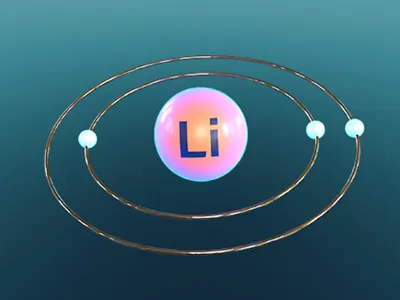 Lesson 15
Positive vs Negative
Formation of ionic bonds, cations and anions, significance of electronegativity, electron affinity, and ion size.
-
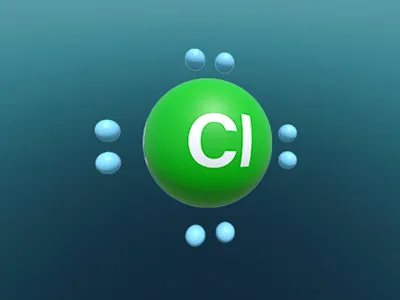 Lesson 16
Why Is It Difficult to Melt?
Electrostatic attraction, ionic compounds, characteristic physical properties of ionic lattice crystals, and the operating principle of defibrillators.
-
 Lesson 17
Why Is It Soft?
Concept of the molecular lattice, properties of molecular lattice substances, and types of secondary bonding.
-
 Lesson 18
Why Does It Conduct Electricity?
Metallic bonding and metallic lattice, common crystal structures, and classification and properties of metals.
-
 Lesson 19
Why Is It Hard?
Characteristics of atomic lattice crystals, lattice energy, and structures and properties of diamond, graphite and silicon compounds.
-
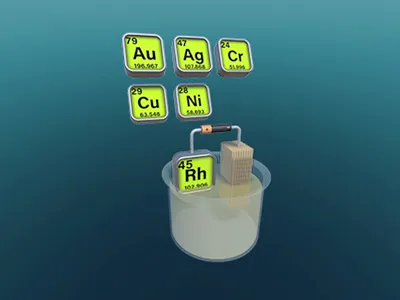 Lesson 20
Electrolysis
Chemical processes driven by electrical energy, water decomposition, aluminium production and electroplating.
-
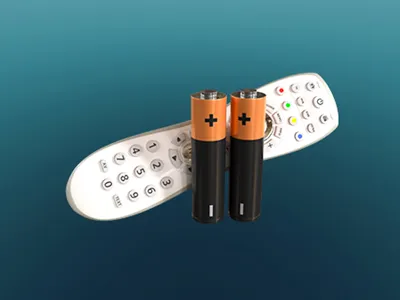 Lesson 21
What Energy!
Operation of galvanic cells, batteries and fuel cells, converting chemical energy into electrical energy.
-
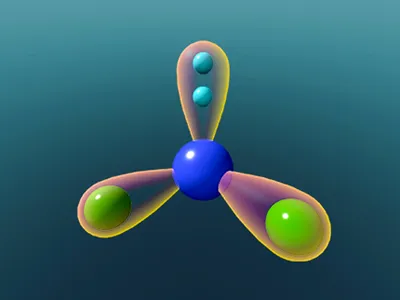 Lesson 22
Perfect Shapes
Molecular geometry, arrangement of bonding and non-bonding electron pairs, central atom, elemental and compound molecules.
-
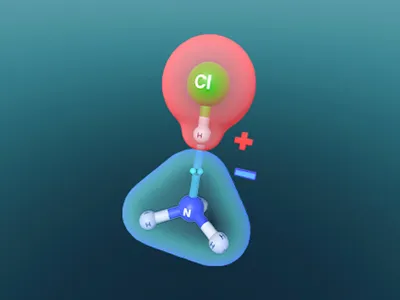 Lesson 23
What Is Required for Reactions?
Conditions for chemical reactions, reaction rate and influencing factors, and roles of catalysts and enzymes.
-
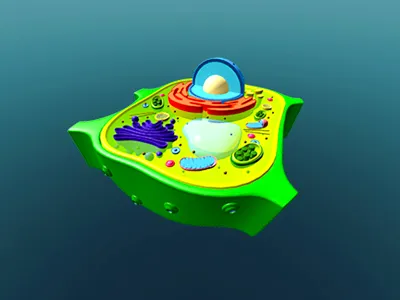 Lesson 24
Endotherm & Exotherm Reactions
Energy changes in endothermic and exothermic reactions, redox reactions, oxidising and reducing agents, and photosynthesis.
-
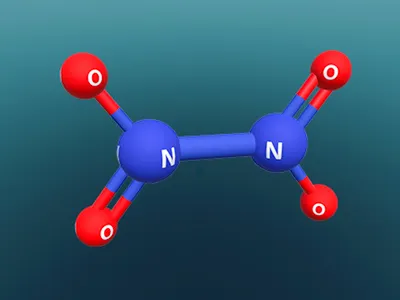 Lesson 25
Is It Reversible?
Irreversible and reversible reactions, dynamic equilibrium, ammonia production, ester formation, and the Le Chatelier-Braun principle.
-
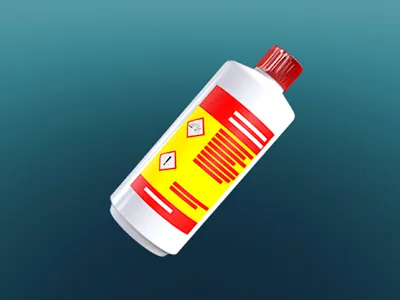 Lesson 26
Underwater Happenings
Water dissociation, pH scale, acidic and alkaline conditions, strong and weak acids, and indicators.
-
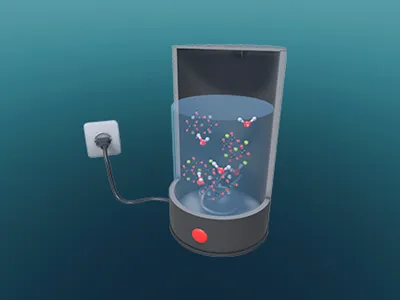 Lesson 27
Chemistry in The Tap
Causes of water hardness, degree of hardness, temporary and permanent hardness, and water softening by boiling, chemical treatment and ion exchange.
-
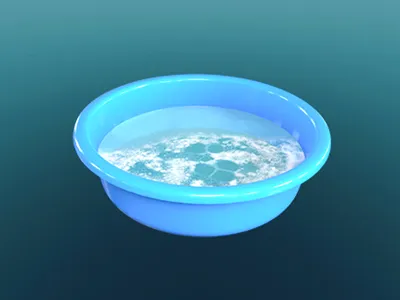 Lesson 28
Lathering & Scented
Soap production and structure, properties of hydrophilic and hydrophobic parts, and uses of soap-like substances.
-
 Lesson 29
Radioactive Decay
Radioactive decay, spontaneous radioactivity, radiation characteristics, half-life, and properties of alpha, beta and gamma radiation.
-
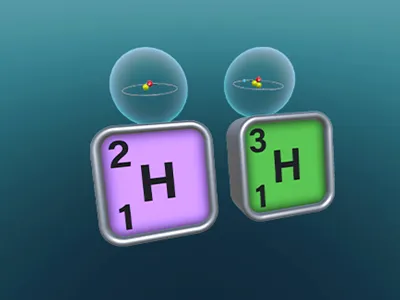 Lesson 30
Chemical Look-Alikes
Isotopes, identical proton numbers and different neutron numbers, the same atomic number but different mass numbers, and their properties and applications.
-
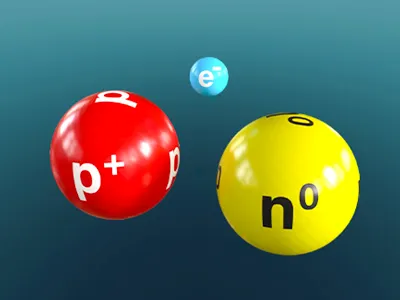 Lesson 31
Splitting The Atom
Nuclear reactions and fission, neutron irradiation, chain reactions, controlled fission, and risks of nuclear power generation.
-
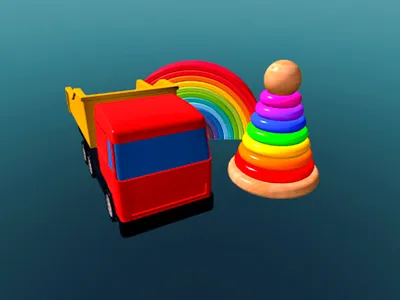 Lesson 32
What Is a Plastic Bag Made of?
Characteristics and additives of plastics, polyethylene structure, thermoplastics and duroplasts, and environmental effects of plastic waste.
-
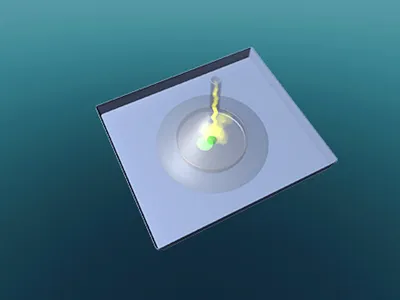 Lesson 33
Caution, Chemicals!
Composition, uses, hazards and safe handling of household hydrochloric acid, chlorine bleach, scrubbing agents and descalers.
-
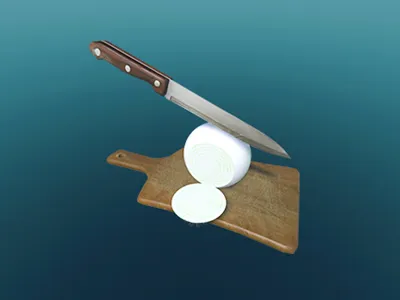 Lesson 34
The Secret of Food
Roles of table salt, carbonic, acetic, citric, salicylic and tartaric acids, and baking soda in foods.
-
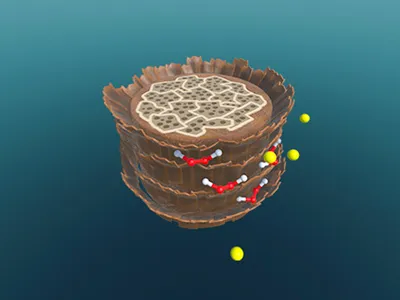 Lesson 35
The Chemistry in The Beauty Industry
Colloidal face creams, hair bleaching by oxidation, nail polish removers, and nylon, the first synthetic fibre.
-
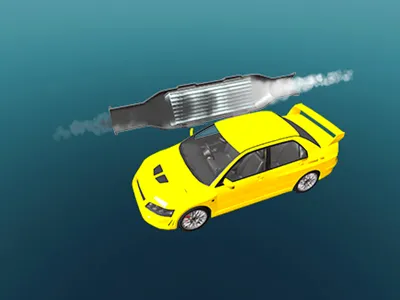 Lesson 36
Precious Metals
Properties of precious and platinum metals, and their uses in alloys, catalysts, jewellery and electrical engineering.
-
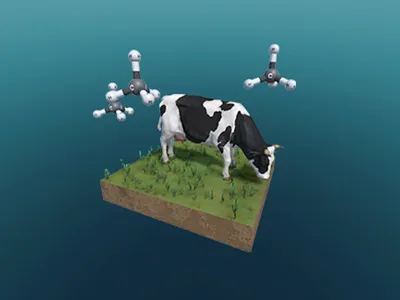 Lesson 37
Chemistry Below & Above
Soil mineral replenishment, environmental effects of excessive fertilisation, atmospheric composition and chemistry, and greenhouse gases.
-
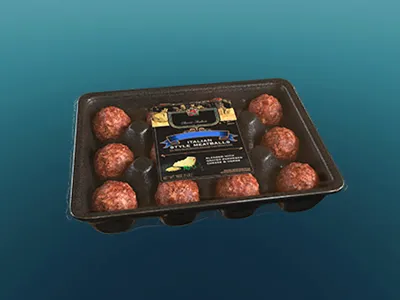 Lesson 38
Let’s Can & Preserve
Causes of food spoilage and the mechanisms of different food preservation methods.
-
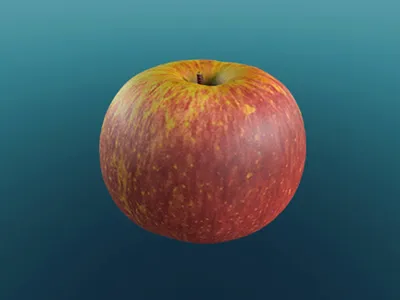 Lesson 39
Why Is It So Delicious?
Biochemistry of fruit ripening: sugar formation, starch breakdown, essential oils, aroma compounds, and after-ripening.
-
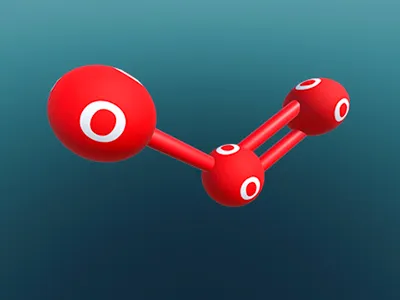 Lesson 40
The Earth Is Our Treasure
Sustainable development, role of the ozone layer, ecological footprint, importance of waste management, and eco tips.

Start with a free lesson.
The first lesson of every topic is free, with no account and no payment details. Unlock the rest when your family is ready.
Coming soon on Google Play