The Human Body
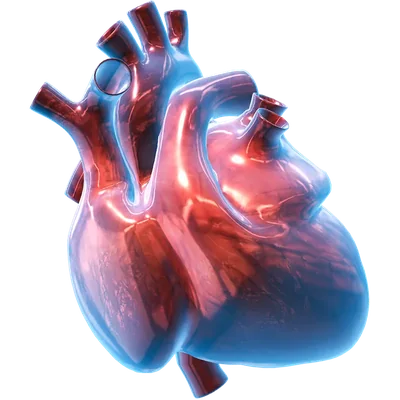
Forty lessons that travel from a single cell to the senses: muscles and bones, digestion, breathing, blood and the heart, hormones, nerves and the brain. Turn each 3D model around on screen, then place it in your room with AR.
- 40 lessons
- Lesson 1 free
- 3D
- AR
Open lesson 1 for free in the prostepmediaAR app.
All 40 lessons
Taught with 3D models and AR.
-
 Lesson 1Free
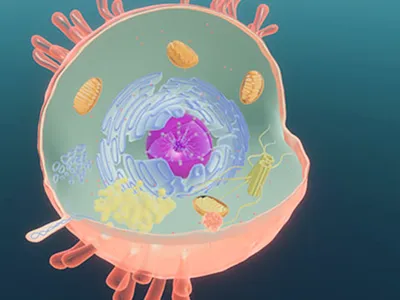
Shakedown in the Cell
Cell structure, cell membrane, cytoplasm, nucleus, DNA and mitochondria as the cell’s energy-producing organelles.
-
 Lesson 2
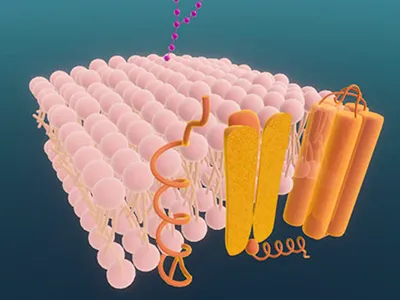
Biological Membranes
Phospholipid bilayers, membrane proteins and membrane-bound organelles, plus differences between prokaryotic and eukaryotic cells.
-
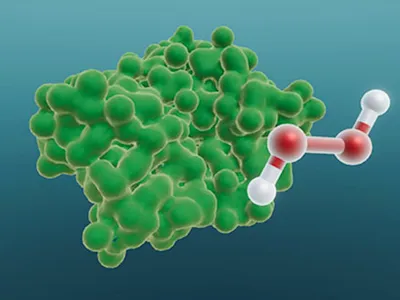 Lesson 3
Diligent Enzymes
Cellular metabolism, enzymes, cellular respiration and lactic acid fermentation as key processes of cellular energy production.
-
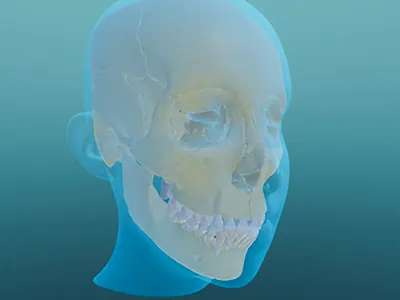 Lesson 4
Master Mind
Skull, vertebral column, thorax, appendicular skeleton and bone connections as the main parts of the skeletal system.
-
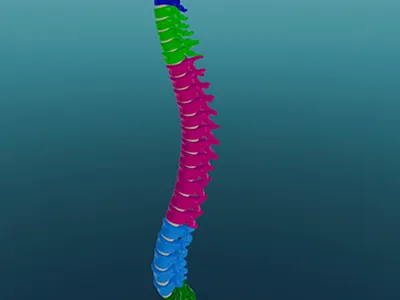 Lesson 5
Not a Big Deal
Bone types, periosteum, compact and spongy bone, bone marrow, elasticity and strength.
-
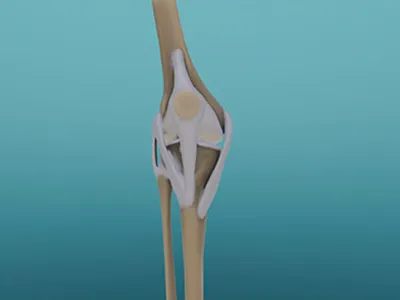 Lesson 6
Aching Joints
Joint structure and movement, including articular surfaces, synovial fluid, ligaments, sprains and dislocations.
-
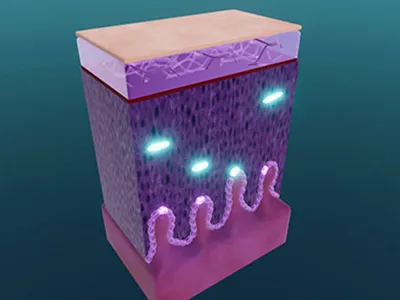 Lesson 7
The Tissue Issue
Epithelial, connective, supportive and nervous tissues, their structure, properties and roles in the human body.
-
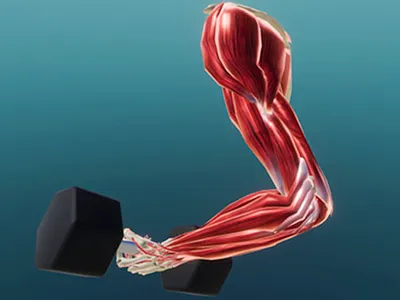 Lesson 8
Show Some Flex
Striated, smooth and cardiac muscle tissue, with their distinctive structures, contractions and functions.
-
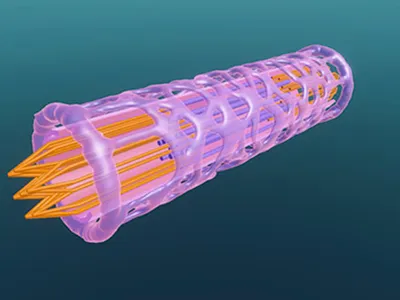 Lesson 9
Bulging Muscles
Muscle fibres, muscle bundles, tendons, muscle contraction and the main groups of the skeletal muscular system.
-
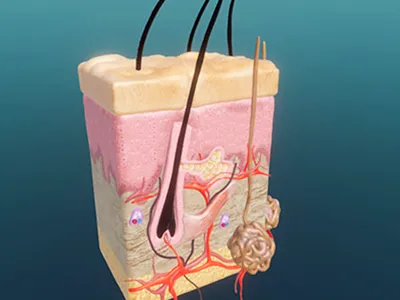 Lesson 10
Beauty is Skin-Deep
Epidermis, dermis and hypodermis, including the skin’s protective, sensory, thermoregulatory and storage functions.
-
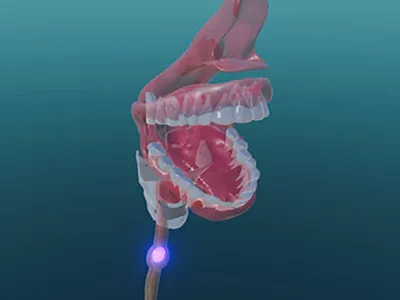 Lesson 11
You Are What You Eat
Balanced nutrition, the food pyramid, carbohydrates, lipids, proteins and vitamins as essential dietary components.
-
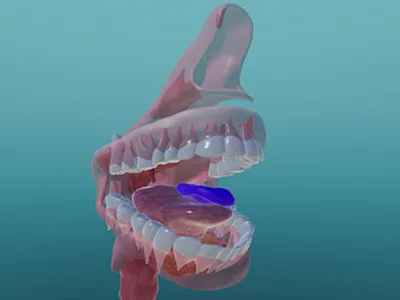 Lesson 12
Where Does Food Go?
The path of food through the oral cavity, pharynx, oesophagus and stomach, including early digestion.
-
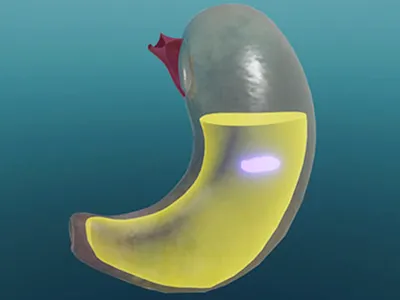 Lesson 13
Digest It
Digestion and absorption in the small intestine, including pancreatic enzymes, intestinal juice, bile and intestinal villi.
-
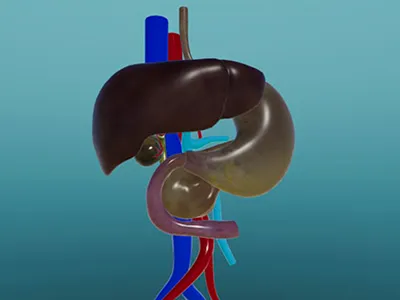 Lesson 14
What’s Your Poison?
Liver detoxification, large-intestine function, gut flora, water absorption and the formation of faeces.
-
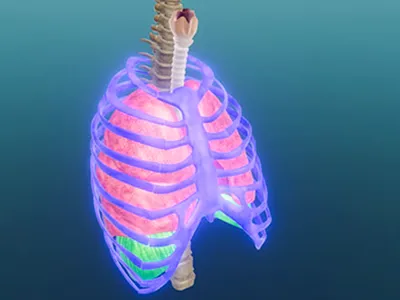 Lesson 15
Take a Deep Breath!
Trachea, bronchi, lungs and alveoli, together with breathing movements and gas exchange.
-
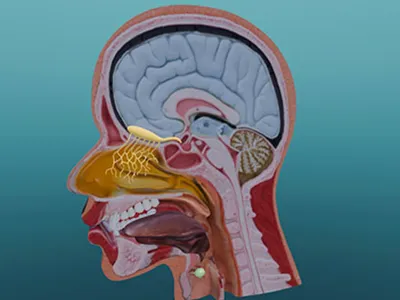 Lesson 16
Make Yourself Heard
Nasal cavity, pharynx and larynx, including air filtration, swallowing and sound production by the vocal cords.
-
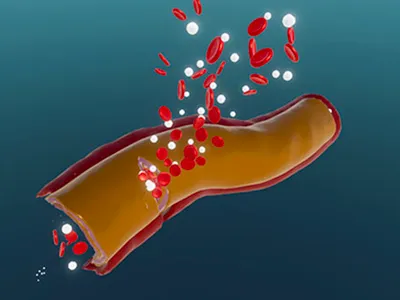 Lesson 17
It’s in Your Blood
Blood plasma, red and white blood cells, platelets and their main functions in the body.
-
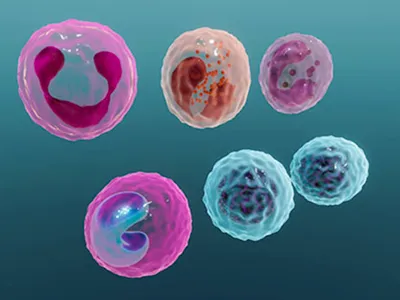 Lesson 18
Are You Positive?
AB0 and Rh blood group systems, blood group antigens, transfusion compatibility and Rh incompatibility.
-
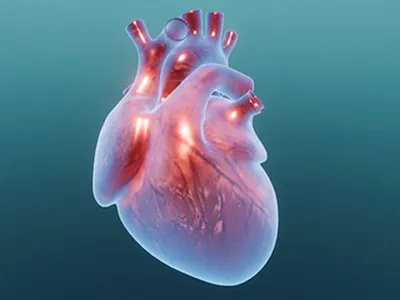 Lesson 19
It Beats for You!
Heart structure and pumping action, valves, arteries, veins and the unidirectional flow of blood.
-
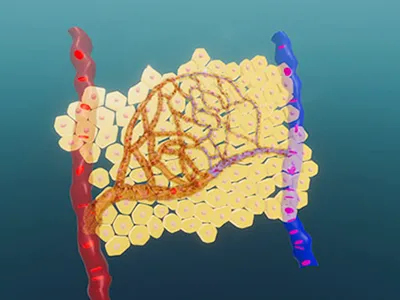 Lesson 20
Vessel Network
Tissue fluid, lymphatic vessels, lymph nodes and lymph organs, including lymph circulation and oedema formation.
-
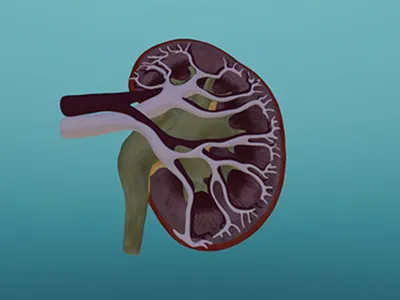 Lesson 21
Filters
Kidneys and nephrons, blood filtration, reabsorption, urine formation and its passage out of the body.
-
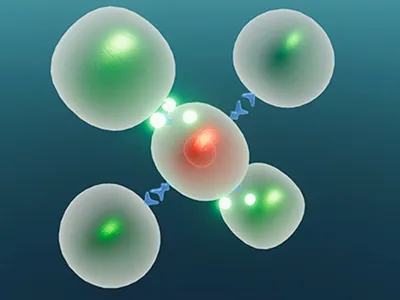 Lesson 22
Cellular Warfare
The immune system’s defence lines, phagocytes, lymphocytes, antibodies, immune responses and immunisation.
-
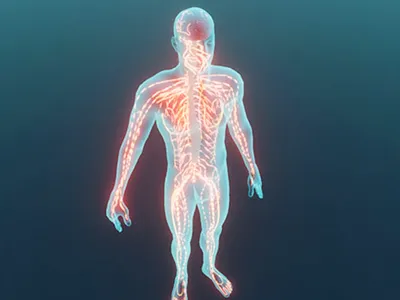 Lesson 23
Raging Hormones
Endocrine glands, hormones and receptors, regulating metabolism, growth, reproduction and the body’s internal environment.
-
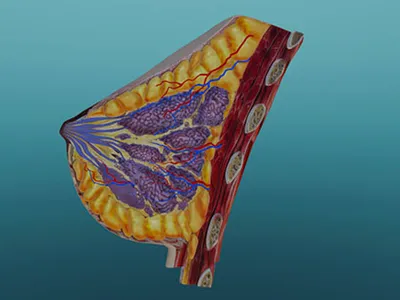 Lesson 24
Growth Opportunity
Pituitary hormones, including growth hormone and hormones controlling the thyroid gland, adrenal cortex and gonads.
-
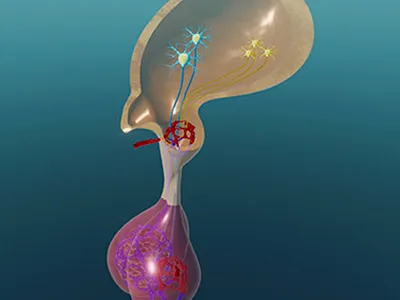 Lesson 25
The Love Hormone
The posterior pituitary, vasopressin and oxytocin, including their effects on water balance, childbirth and bonding.
-
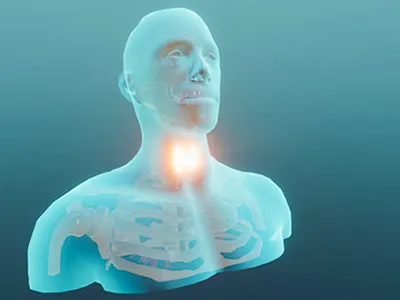 Lesson 26
Your Neck on the Line
Thyroid and parathyroid hormones, including thyroxine, calcitonin and parathyroid hormone in growth and calcium regulation.
-
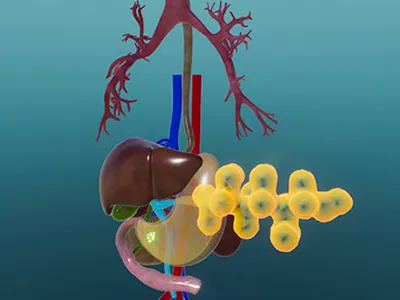 Lesson 27
Fight or Flight
Adrenaline and the stress response, plus pancreatic insulin and the regulation of blood glucose levels.
-
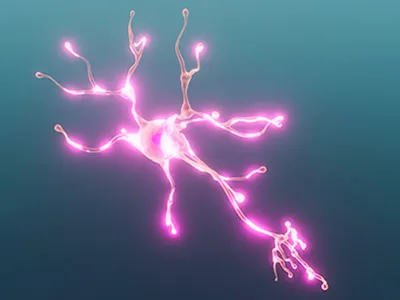 Lesson 28
All Nerves
Central and peripheral nervous systems, nerves and ganglia, including autonomic and somatic functions.
-
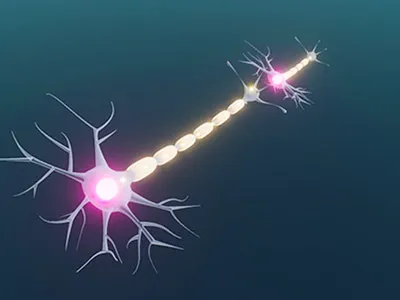 Lesson 29
Oh, the Nerve!
Neurons, glial cells, dendrites, axons, myelin, nerve impulses, neurotransmitters and synapses.
-
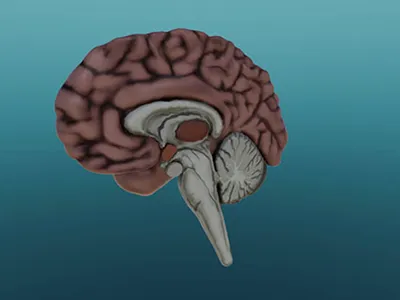 Lesson 30
Headquarters
Spinal cord and brain structure, grey and white matter, nerve pathways, cerebral cortex and cranial nerves.
-
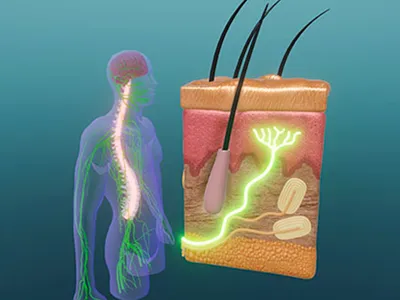 Lesson 31
Good Reflexes
Reflex arcs, spinal reflexes, defensive and autonomic reflexes, motor neurons and muscle tone.
-
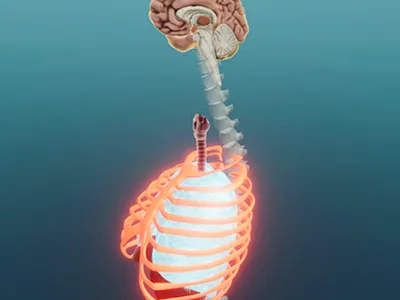 Lesson 32
Autonomic Functions
Autonomic control of food and water intake, swallowing, blood pressure, airway reflexes and thermoregulation.
-
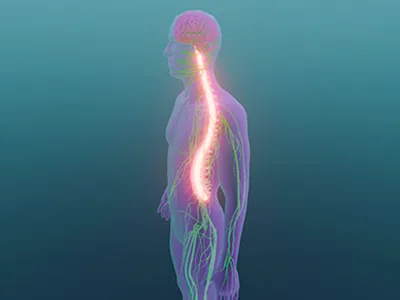 Lesson 33
Sympathies for the Sympathetic
Hypothalamus, sympathetic and parasympathetic nervous systems, and their contrasting effects during stress and recovery.
-
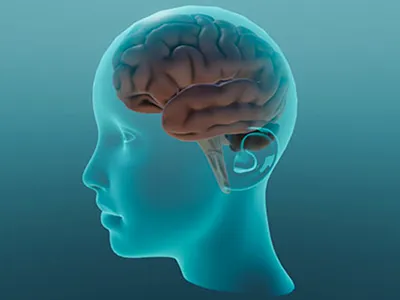 Lesson 34
Don't Overthink It!
Brainstem, cerebellum, diencephalon, cerebrum and cerebral cortex, with their main regulatory and processing functions.
-
 Lesson 35
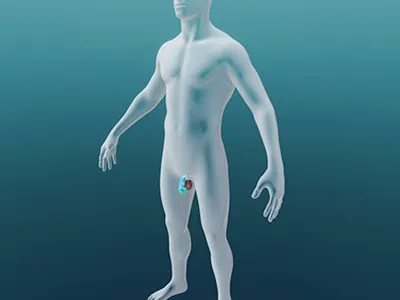
Sperm Cells in the Fast Lane
Testes, sperm cells, epididymis, vas deferens, semen, prostate and penis, including maturation and ejaculation.
-
 Lesson 36
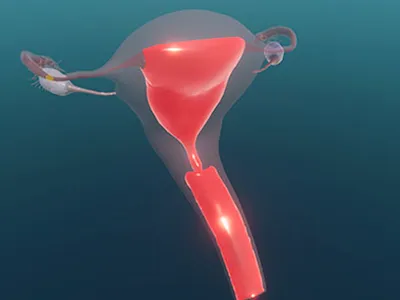
Nurturing Uterus
Ovaries, Fallopian tubes, uterus and vagina, including their functions and cyclical changes.
-
 Lesson 37
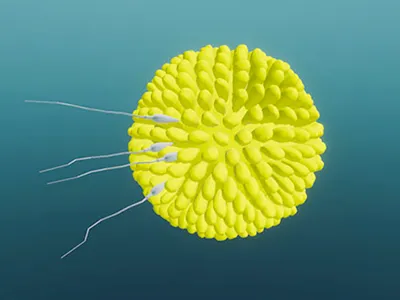
The Receptive Egg
Menstrual cycle, follicle maturation, ovulation, oestrogen, progesterone and changes in the endometrium.
-
 Lesson 38
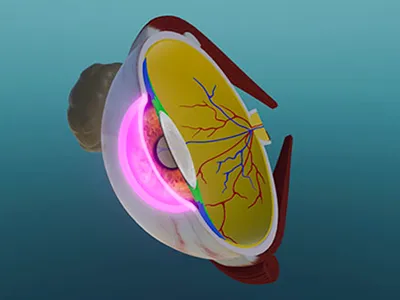
See Miracles
Sclera, cornea, retina, rods, cones, yellow spot, blind spot and the eye’s natural protection.
-
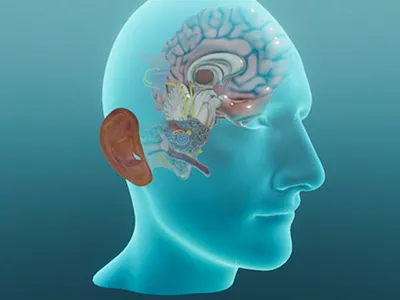 Lesson 39
Hear Ye, Hear Ye
Outer, middle and inner ear, eardrum, auditory ossicles, hearing receptors, auditory centre and balance organ.
-
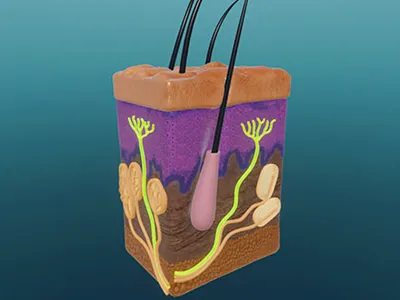 Lesson 40
Feel That?
Smell, taste, touch, pressure, temperature and pain perception through specialised sensory receptors.

Start with a free lesson.
The first lesson of every topic is free, with no account and no payment details. Unlock the rest when your family is ready.
Coming soon on Google Play