Physical Quantities
Length, mass, time, speed, force, pressure, heat, current, voltage and power: what each quantity means and how it is measured, with 3D models of the instruments you can look at from every side.
- 40 lessons
- Lesson 1 free
- 3D
- AR
Open lesson 1 for free in the prostepmediaAR app.
All 40 lessons
Taught with 3D models and AR.
-
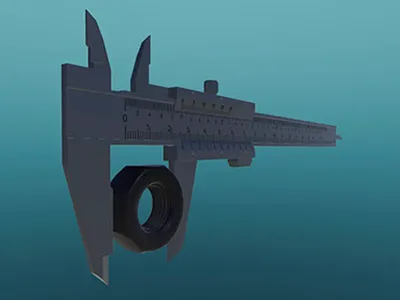 Lesson 1Free
Are You Very Big?
Measurement of length and different dimensions, their units, and use of rulers, measuring tapes, and digital callipers.
-
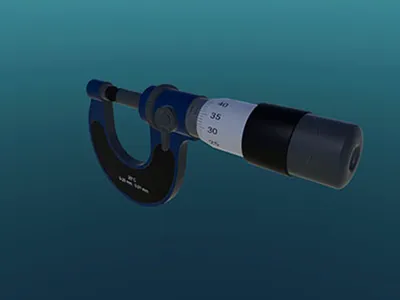 Lesson 2
Let’s Measure It
Micrometre construction, use and measurement accuracy, the Vernier scale, and fundamentals of precision measurement.
-
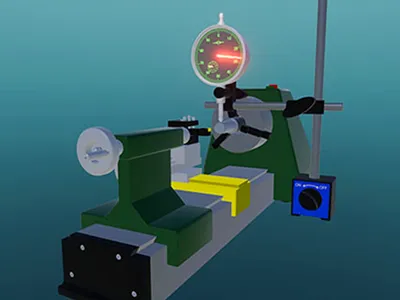 Lesson 3
Move Your Body!
Distance travelled, displacement, the path and trajectory of motion, and methods for measuring displacement.
-
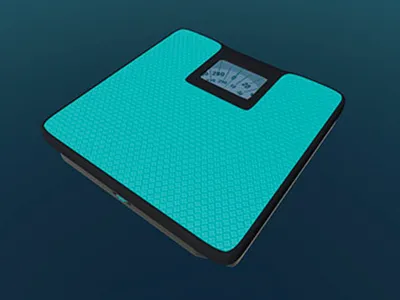 Lesson 4
Mass on the Balance
Mass, its units, the difference between mass and weight, and the operation of mechanical and electronic balances.
-
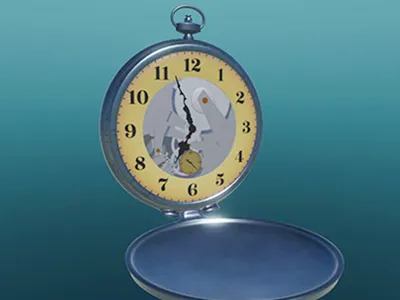 Lesson 5
Unstoppable Time
Development of time measurement, determining years, months and days, and the operation of mechanical clocks.
-
 Lesson 6
Let’s Count the Time
Digital time measurement, quartz oscillators, frequency division, seven-segment displays, and the operation of stopwatches and atomic clocks.
-
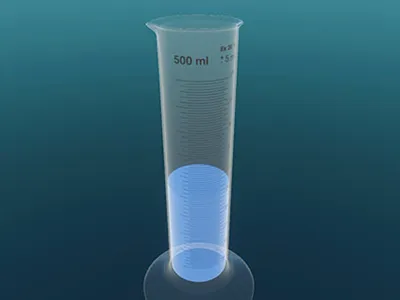 Lesson 7
Space in Space
Determining volume by calculation, measuring cylinder and liquid displacement, and measuring the volume of liquids and gases.
-
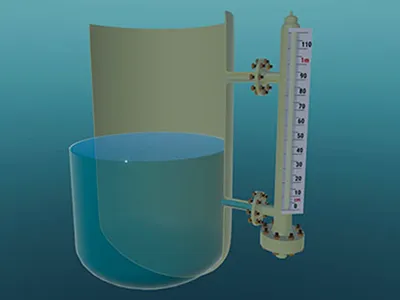 Lesson 8
How High Does Water Reach?
Liquid-level measurement using a scale, dipstick, float, and non-contact radar level meter.
-
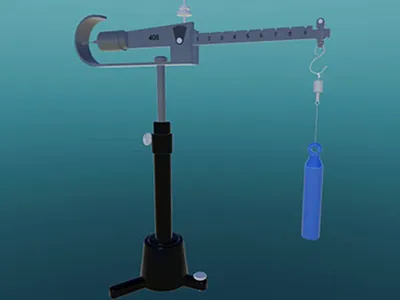 Lesson 9
Why Do Boats Float?
The concept and calculation of density, comparing the densities of solids, liquids and gases.
-
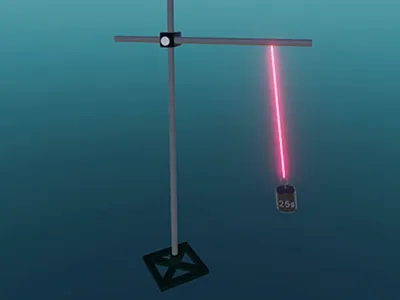 Lesson 10
Sitting in a Swing
Period of a simple pendulum, operation of pendulum clocks and metronomes, and the conical pendulum and orbital motion.
-
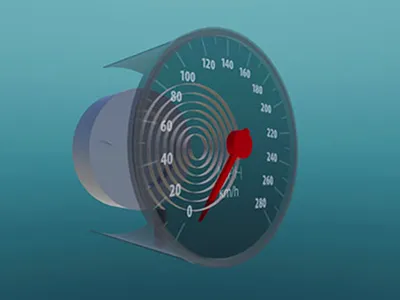 Lesson 11
From Slow to Fast
Velocity and average speed, their units, the speed of light, and methods of speed measurement.
-
 Lesson 12
Dynamism
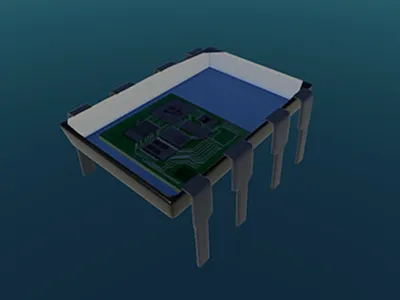
The concepts of acceleration and deceleration, gravitational acceleration, and the operation of different accelerometer sensors.
-
 Lesson 13
Shedding Light on Light
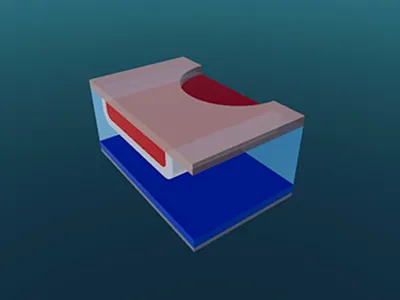
Measurement of luminous intensity and illumination, candela and lux, and the operation of photoresistors and light sensors.
-
 Lesson 14
Being Loud
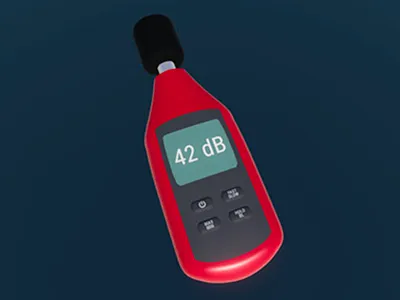
Sound intensity, sound frequency and sound pressure, and the operation of microphones and sound level meters measuring in decibels.
-
 Lesson 15
An Unexpected Turn of Events?
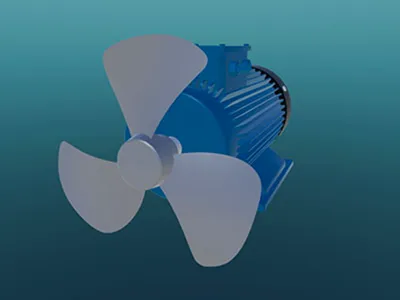
The concept and measurement of rotational speed, RPM, examination of rotational motion, and the stroboscopic measurement method.
-
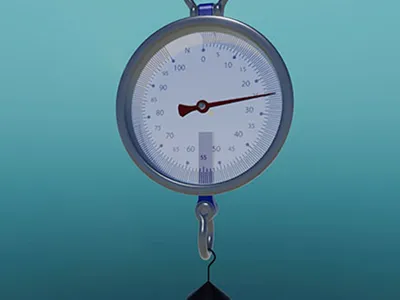 Lesson 16
The Power of the Force
The concept, unit and direction of force, and the operation of spring, hydraulic and electrical force meters.
-
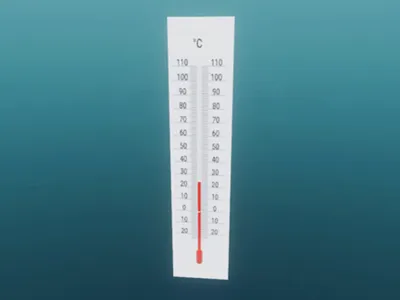 Lesson 17
Heat is Heat
Temperature measurement, Celsius and Kelvin scales, and liquid, bimetallic, gas and infrared thermometers.
-
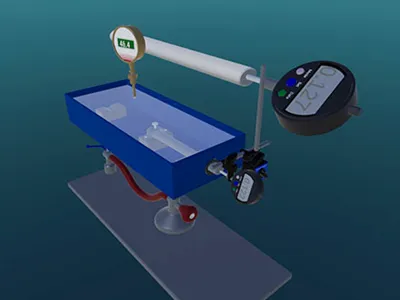 Lesson 18
Thermal Contraction & Expansion
Linear and volumetric thermal expansion, expansion coefficients, bimetals, dilatometers, and practical consequences of thermal expansion.
-
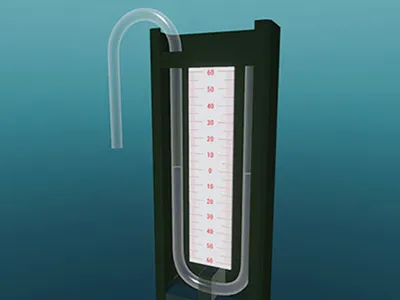 Lesson 19
Under Pressure
The concept and units of pressure, liquid and atmospheric pressure, U-tube manometers, and mercury barometers.
-
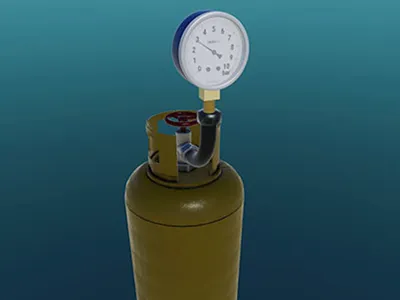 Lesson 20
Manometers
Pressure measurement in liquids and gases, diaphragm manometers, vacuum measurement, and the operation of blood-pressure monitors.
-
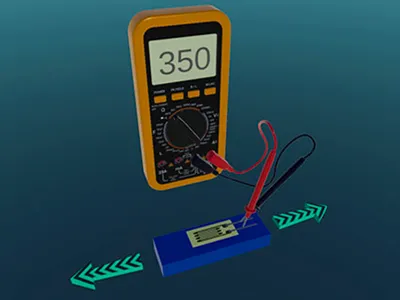 Lesson 21
Stretch Your Legs!
The concept of strain, strain gauges and rosettes, and different methods of measuring deformation.
-
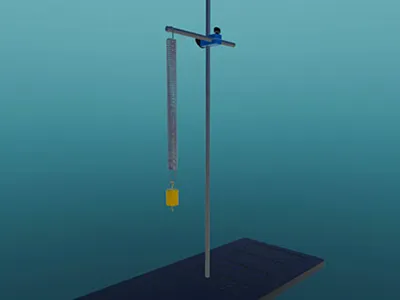 Lesson 22
Up and Down
Elastic deformation, spring force and spring constant, and the behaviour of springs connected in series and parallel.
-
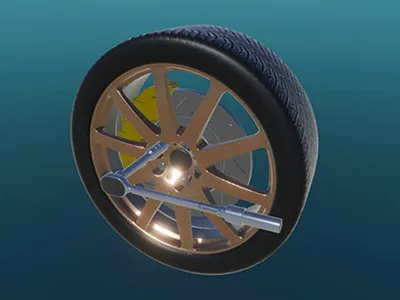 Lesson 23
The Turning Effect
Torque, lever arm and direction, torque wrenches, levers, and brake-bench torque measurement.
-
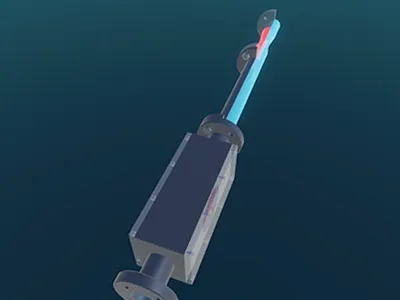 Lesson 24
Go with the Flow!
Flow velocity of liquids, its dependence on cross-section, and mechanical, differential-pressure, electromagnetic and ultrasonic measurement.
-
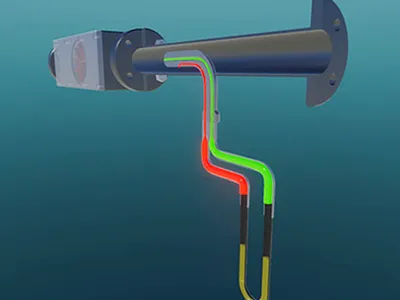 Lesson 25
Airflow
Measurement of gas flow velocity, anemometers, rotameters, wind-direction indicators, and Pitot-tube velocity measurement.
-
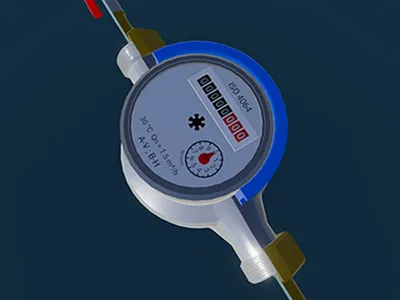 Lesson 26
Flow on the Scale
The concept of volumetric flow rate and its measurement by volumetric, weir and ultrasonic methods, and with water and gas meters.
-
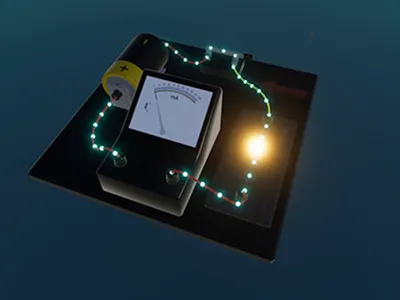 Lesson 27
How Strong is the Current?
Electric current: concept, unit, series measurement, soft iron instruments, and overcurrent protection.
-
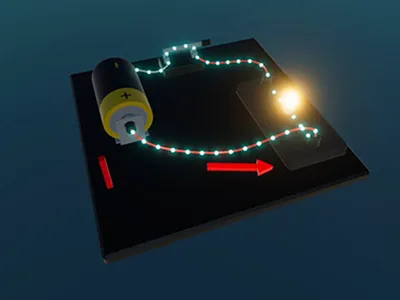 Lesson 28
Beware of High Voltage
The concept and unit of voltage, parallel voltage measurement, analogue voltmeters, and digital multimeters.
-
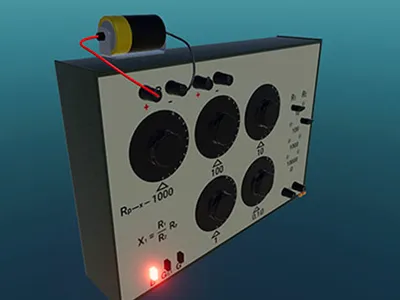 Lesson 29
Limits and Regulates
The concept of electrical resistance, Ohm's law, multimeter measurement, comparison method, and the Wheatstone bridge.
-
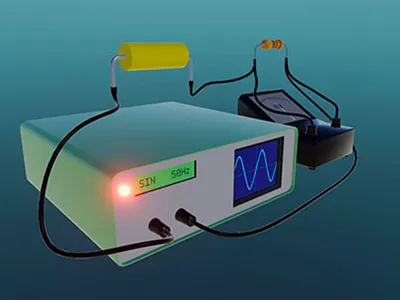 Lesson 30
Do You Have the Capacity?
Electrical capacitance of capacitors, their construction and unit, and analogue and digital capacitance measurement methods.
-
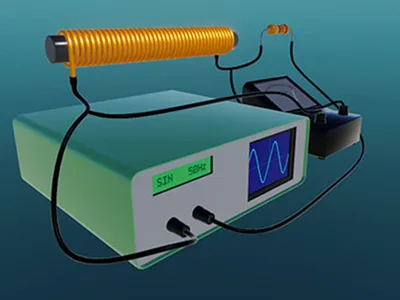 Lesson 31
Self-Induction Factor
Inductance of coils, its unit and construction, and traditional and microcontroller-based inductance measurement.
-
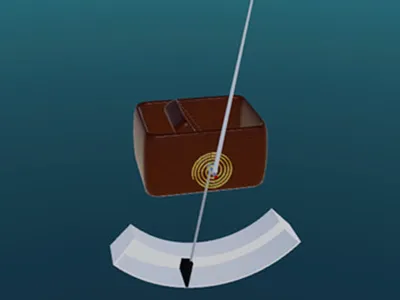 Lesson 32
How Powerful is It?
The concept and unit of power, calculation of electrical power, and electrodynamic power measurement.
-
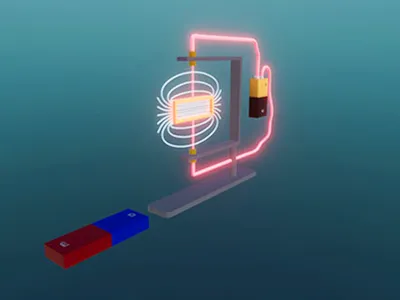 Lesson 33
Near Magnets
Magnetic induction, magnetic field lines, the tesla unit, and measurement using magnetometers and Hall sensors.
-
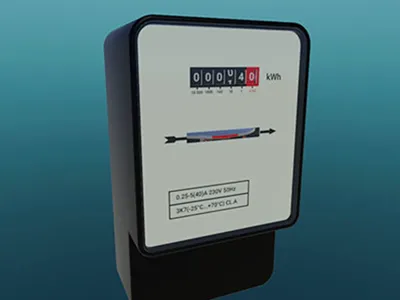 Lesson 34
Let’s Measure Work
The relationship between electrical work and energy consumption, kilowatt-hours, and the operation of induction and digital electricity meters.
-
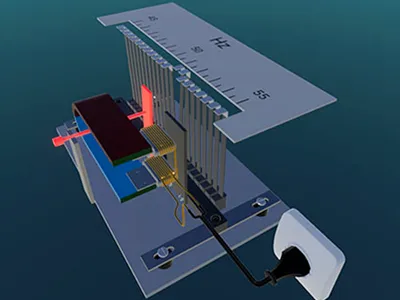 Lesson 35
Alternating Voltage
The relationship between frequency and period, the hertz unit, and vibrating-reed frequency-meter and oscilloscope measurements.
-
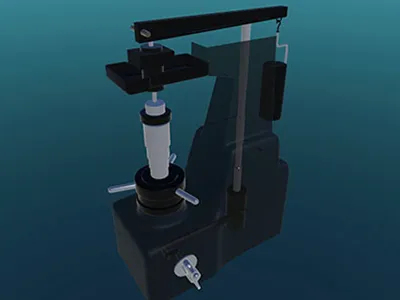 Lesson 36
Just Hard!
Measurement of material hardness using Brinell, Vickers and Rockwell methods, and digital hardness testers.
-
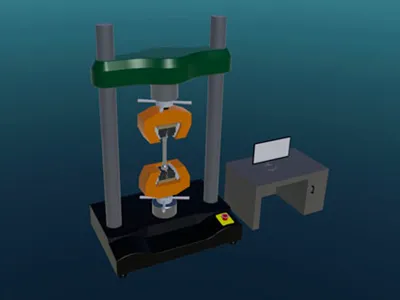 Lesson 37
Pull Harder!
Determining tensile strength with a tensile-testing machine, examination of test specimens, tensile diagram, yield strength, and elastic modulus.
-
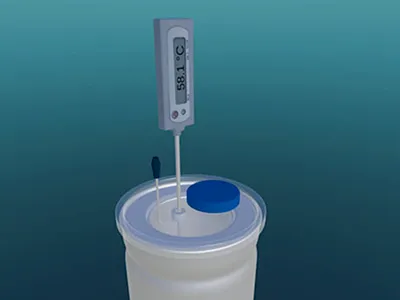 Lesson 38
What’s in the Radiator?
The concepts of specific heat capacity and heat capacity, calorimetric measurement, water's heat-storage role, and calorific value.
-
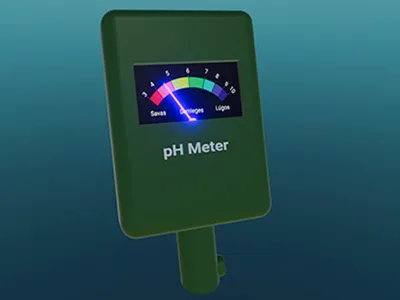 Lesson 39
Acidic or Alkaline?
Meaning of pH, acidic and alkaline conditions, and pH measurement using indicator paper and potentiometric methods.
-
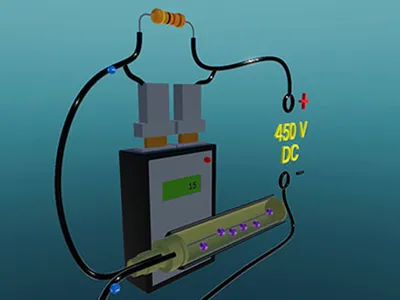 Lesson 40
Radiantly
Radioactive decay and activity, alpha, beta and gamma radiation, the Geiger-Müller counter, and applications of ionising radiation.

Start with a free lesson.
The first lesson of every topic is free, with no account and no payment details. Unlock the rest when your family is ready.
Coming soon on Google Play