Nature Studies
Short video lessons on the Earth and its place in space, weather and climate, water, rocks and minerals, soil, and the materials around us.
- 40 lessons
- Lesson 1 free
- Video
Open lesson 1 for free in the prostepmediaAR app.
All 40 lessons
Taught with short videos.
-
 Lesson 1Free
Our Cosmic Home
Earth’s position in the Solar System, rotation and orbit, and factors influencing the climate.
-
 Lesson 2
Our Eternal Companion
Formation and position of the Moon, solar and lunar eclipses, and the tidal phenomenon.
-
 Lesson 3
Cold & Hot
Earth’s spherical shell structure, inner and outer shells, and the structure of the crust, mantle and core.
-
 Lesson 4
Birth of Giants
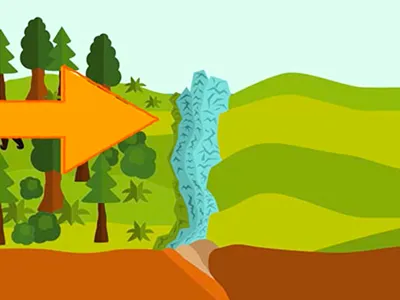
Mountain formation through folding, faulting and volcanism, and the formation of subduction zones.
-
 Lesson 5
Giants on Fire
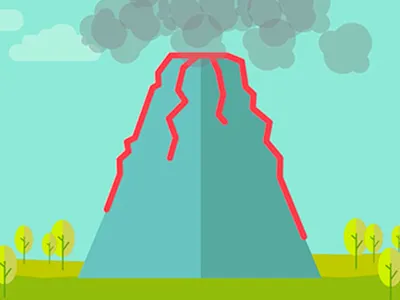
Volcanic activity and after-effects, volcano formation at plate margins, within tectonic plates, and under water.
-
 Lesson 6
It's Moving There
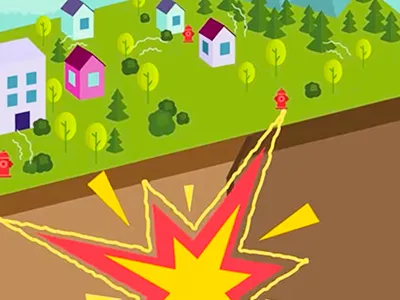
How earthquakes occur, tectonic plate movements, and the measurement and magnitude of earthquakes.
-
 Lesson 7
Wonderful Stalactites
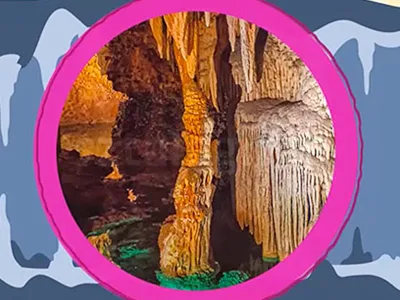
Formation of karst phenomena by dissolution and precipitation, surface and underground features, and the names of different karst formations.
-
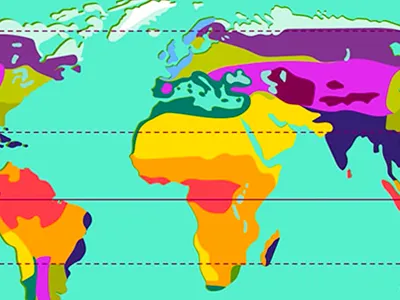 Lesson 8
Cold, Slightly Warm, Hot!
Solar and real climate zones, and the formation and characteristics of geographical zonality.
-
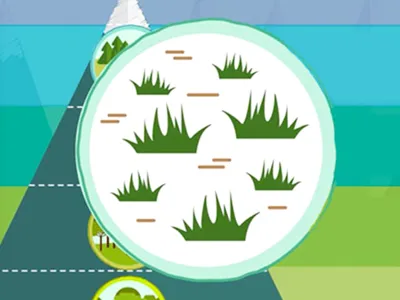 Lesson 9
Climbing Through Climates
Factors influencing altitudinal zonation, boundaries separating the zones, and characteristic vegetation.
-
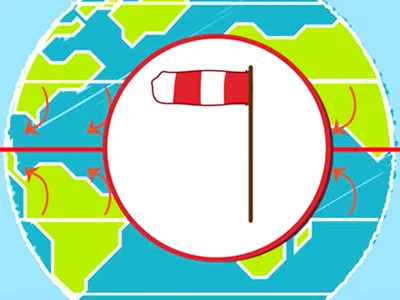 Lesson 10
Wind in the Sky
Factors shaping air flow and air pressure, wind systems, and the effect of the Coriolis force.
-
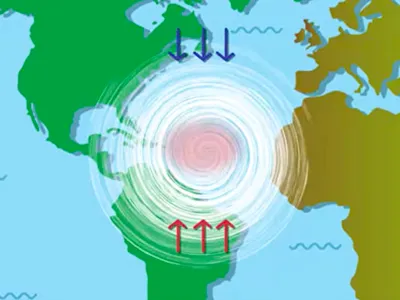 Lesson 11
Weather Fronts
Formation of atmospheric vortices, cyclones, anticyclones, and characteristics of cold and warm fronts.
-
 Lesson 12
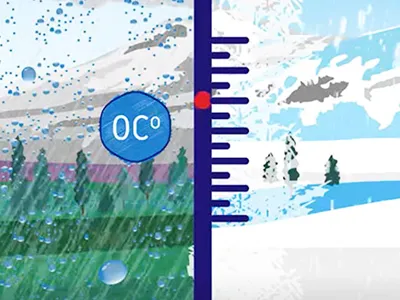
Moisture in the Air
Characteristics of atmospheric water vapour, condensation nuclei, and the formation of fog, clouds and ground precipitation.
-
 Lesson 13
The Source of Life
Water molecule structure, physical properties, solvent properties, and the thermodynamics of lakes.
-
 Lesson 14
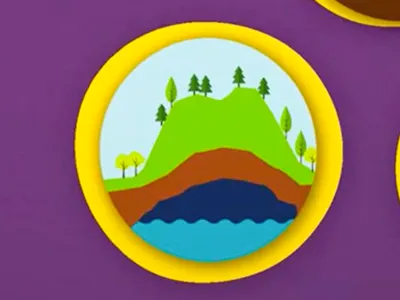
Water, Water Everywhere
The hydrosphere, oceans and seas forming the World Ocean, and renewal of Earth’s water resources.
-
 Lesson 15
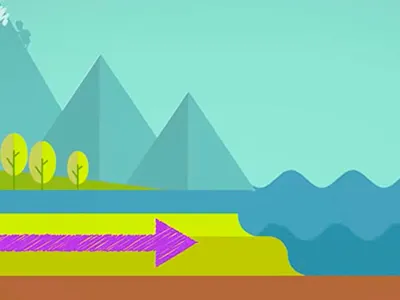
The Water Cycle
The hydrological cycle: evaporation, condensation, precipitation, and surface and subsurface water movements.
-
 Lesson 16
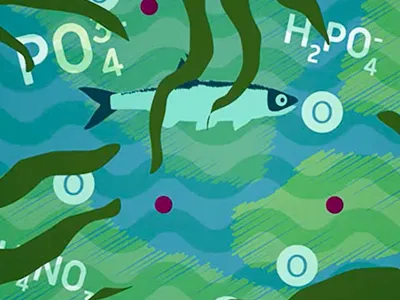
Surface Waters
Surface freshwaters: rivers, lakes and polar ice, plus watercourse, water yield, water flow regime, water level and flood.
-
 Lesson 17
Under the Surface...
Role and types of groundwater resources, and the composition and characteristics of natural mineral water.
-
 Lesson 18
Atomic Models
Development of atomic models from Democritus through Dalton, Thomson and Rutherford to Schrödinger.
-
 Lesson 19
Inside the Atom
Parts of the atom, structure and size of the nucleus and electron cloud, and formation of covalent bonds.
-
 Lesson 20
The World's Composition
Formation and decay of elements, creation of the periodic table, and naming of the elements.
-
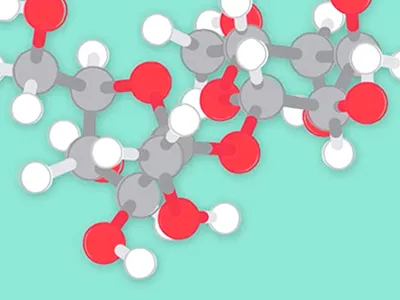 Lesson 21
Why is the Way it is?
Crystal lattice types in solids: atomic, molecular, metal and ionic lattices, and their characteristics.
-
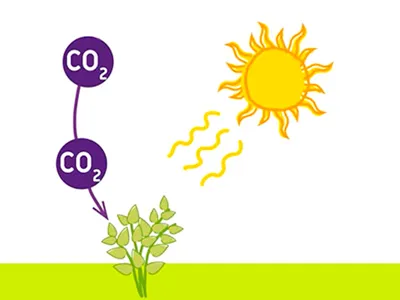 Lesson 22
Black Diamonds
Conditions of coal formation, coal types and characteristics, mineral coals, and the carbon-14 isotope.
-
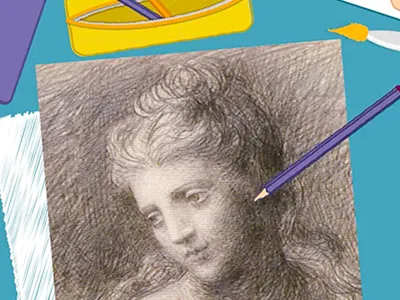 Lesson 23
Triplets
Carbon allotropes: diamond, graphite, fullerenes and graphene, their structures and properties.
-
 Lesson 24
Secret of the Mines
Definition of ores, formation of magmatic and sedimentary ore deposits, hydrothermal ore precipitation, and characteristics of metals.
-
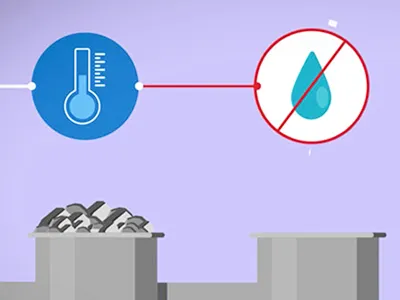 Lesson 25
Sedimentary Rocks
Types and formation processes of sedimentary rocks, and the process of bauxite production.
-
 Lesson 26
Strike While It is Hot
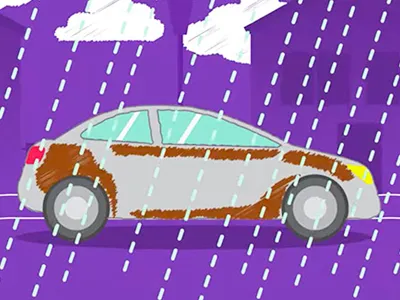
Properties, occurrence and uses of iron, iron compounds, alloys, and chemical reactions of iron.
-
 Lesson 27
The Queen of Metals
Properties and reactions of silver, and its uses from antiquity to the present day.
-
 Lesson 28
Golden Shine
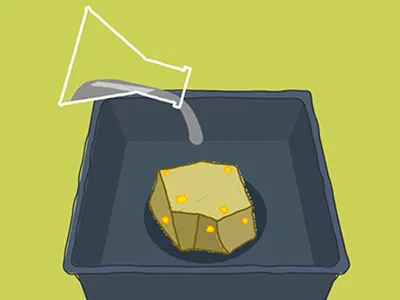
Characteristics of precious metals, and the properties, occurrence, alloys and uses of gold.
-
 Lesson 29
Exhaustible Energy Resources
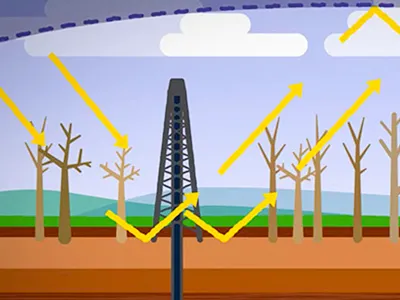
Formation, extraction, composition and uses of the two main fossil energy resources: crude oil and natural gas.
-
 Lesson 30
Life Under Our Feet
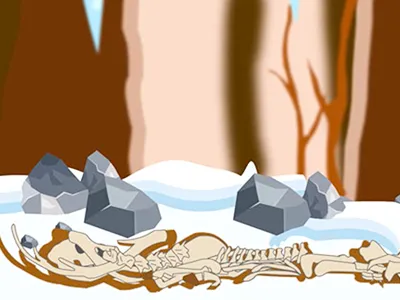
Soil as a three-phase system, soil formation, soil horizons, and organic and mineral components.
-
 Lesson 31
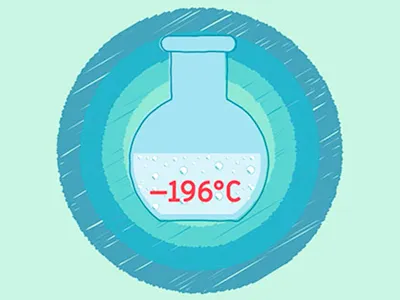
The Seventh Element
Properties, molecular structure, occurrence, biological significance and uses of nitrogen.
-
 Lesson 32
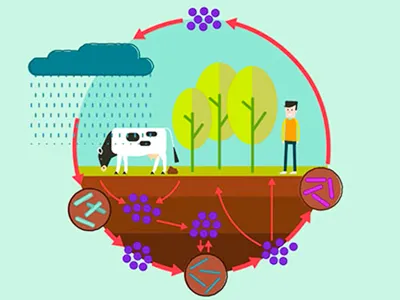
Where are You, Nitrogen?
The nitrogen cycle: nitrogen fixation, nitrification, ammonification and denitrification, and the dangers of nitrogen fertiliser use.
-
 Lesson 33
States of Matter
Characteristics of solid, liquid, gas and plasma states, and interactions between particles.
-
 Lesson 34
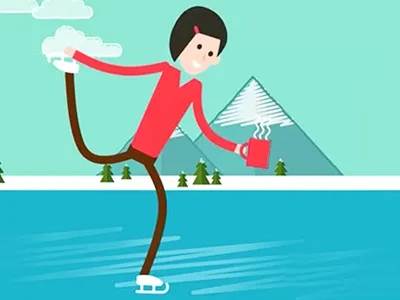
Potatoes à la Darwin
Changes of state, the effect of pressure on phase transitions, and dynamic equilibrium.
-
 Lesson 35
Seawater as a Solution
Concepts of solution, solvent and solute, salinity of seas and oceans, and true solutions.
-
 Lesson 36
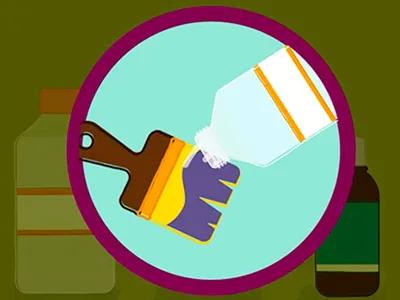
Solvents
Characteristics of solubility, the dissolution process, solution concentration, and behaviour of polar and non-polar substances.
-
 Lesson 37
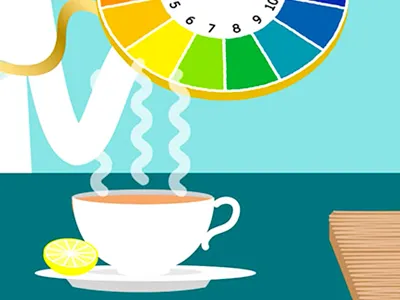
The Message of the Cabbage
Acidic and alkaline conditions, the pH scale, movement of hydrogen ions, and different indicators.
-
 Lesson 38
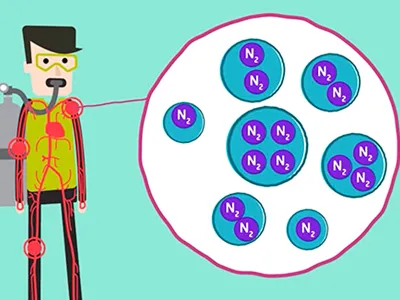
Gases
Air as a gas mixture, and the significance and characteristics of its components.
-
 Lesson 39
Dirty Business
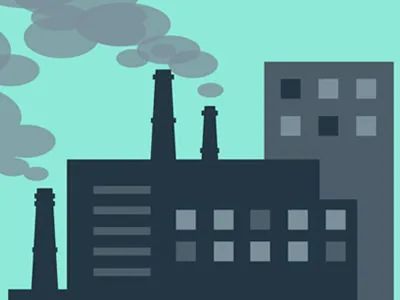
Greenhouse effect, global warming, air pollution, types and characteristics of smog, and formation of acid rain.
-
 Lesson 40
Under a Protective Shield
Layers of the atmosphere: troposphere, stratosphere, mesosphere and thermosphere, their temperature characteristics, and the ozone layer.

Start with a free lesson.
The first lesson of every topic is free, with no account and no payment details. Unlock the rest when your family is ready.
Coming soon on Google Play